
Best Timing for Asphalt Sealings
Timing for asphalt sealings is crucial to ensure optimal results and longevity. Proper scheduling depends on local climate conditions, asphalt condition, and seasonal temperatures. Sealings are most effective when applied during periods of stable, moderate weather, avoiding extreme cold or heat.
Sealings should be applied when temperatures are between 50°F and 85°F. This range allows the sealant to cure properly and adhere effectively to the asphalt surface.
Spring and early fall are generally considered the best seasons for asphalt sealings due to moderate temperatures and lower precipitation levels.
Application should be scheduled during dry weather, avoiding periods of rain or high humidity, which can compromise the sealant's bonding process.
Timing also depends on asphalt surface conditions. Sealings should be done when the pavement is clean, dry, and free of debris or standing water.
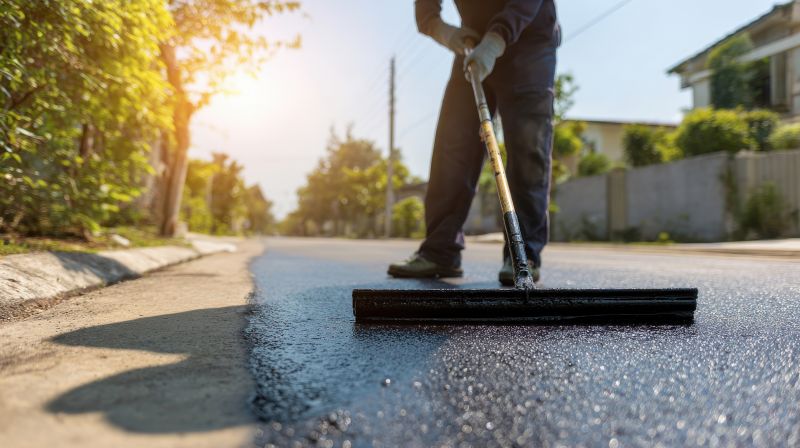
Spring offers moderate temperatures ideal for asphalt sealings, reducing the risk of early cracking.
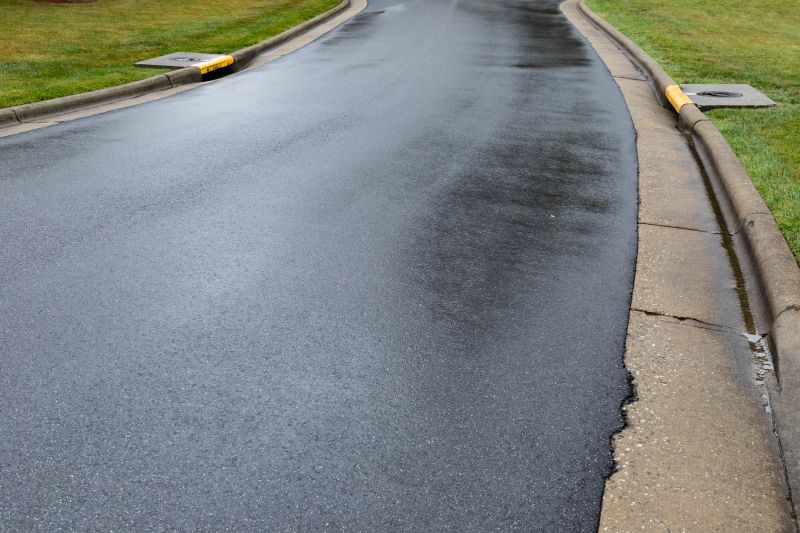
Early summer can be suitable if temperatures are controlled and humidity is low, but avoid peak heat hours.
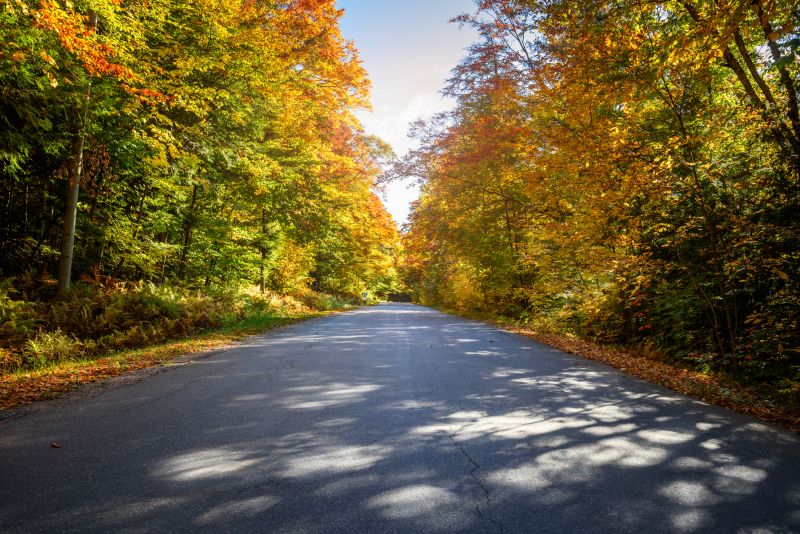
Fall provides cooler temperatures and less traffic, making it a preferred season for sealings.
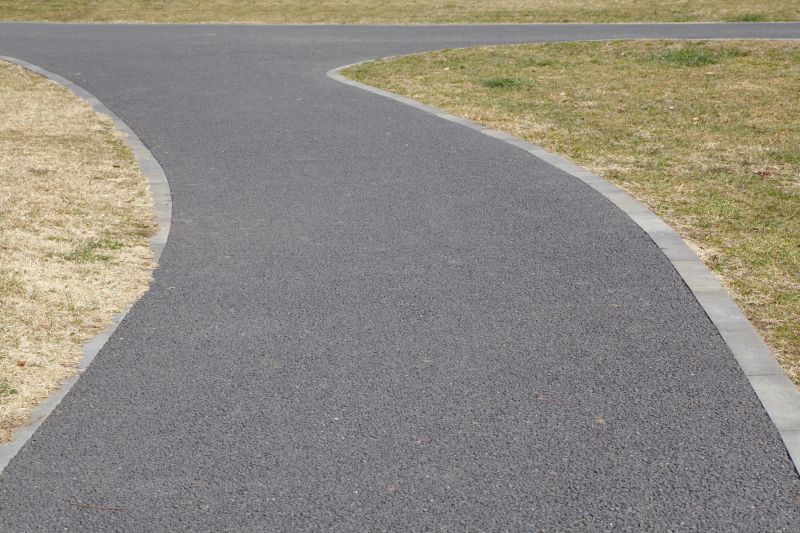
Ways to make Asphalt Sealings work in tight or awkward layouts.
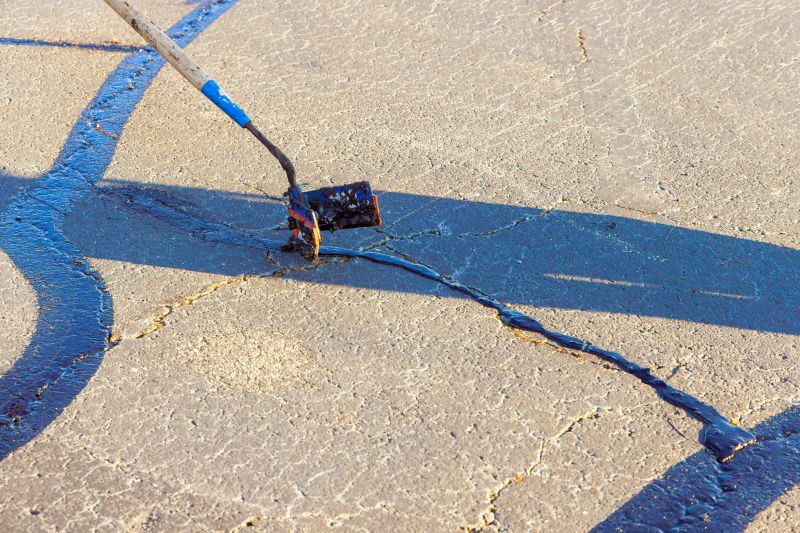
Popular materials for Asphalt Sealings and why they hold up over time.
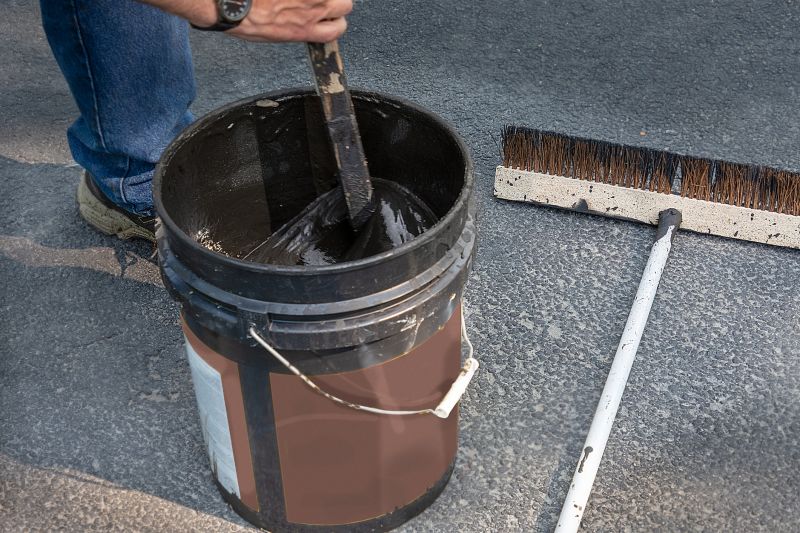
Simple add-ons that improve Asphalt Sealings without blowing the budget.
| Season | Recommended Conditions |
|---|---|
| Spring | Temperatures between 50°F and 70°F, dry days |
| Summer | Early morning or late evening, moderate temperatures |
| Fall | Cooler temperatures, dry weather |
| Winter | Not recommended due to freezing temperatures |
Asphalt sealings serve as a protective barrier that extends the lifespan of pavement by preventing water infiltration, reducing oxidation, and minimizing damage from UV rays. Properly applied sealings enhance surface appearance and improve resistance to cracking and potholes. The effectiveness of sealings depends on correct timing, surface preparation, and application techniques. Regular maintenance and timely sealings can significantly reduce long-term repair costs and preserve the pavement’s integrity.
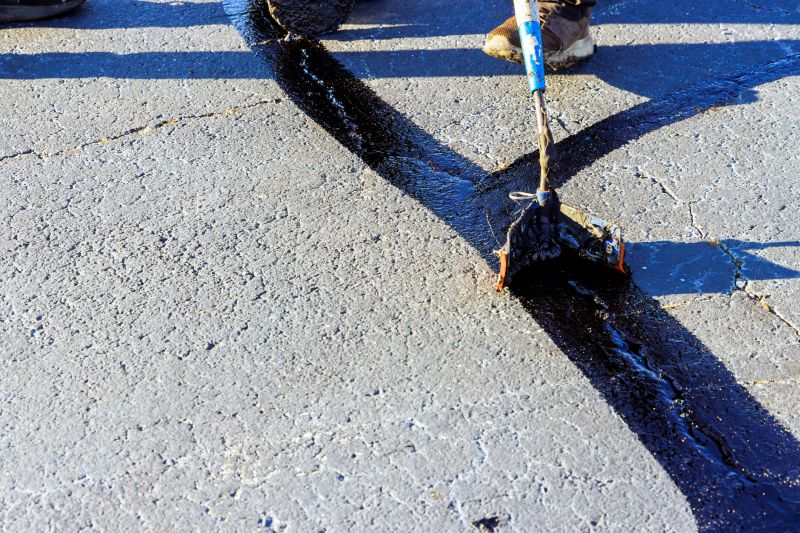
Applying sealant during optimal weather conditions ensures durability and a smooth finish.
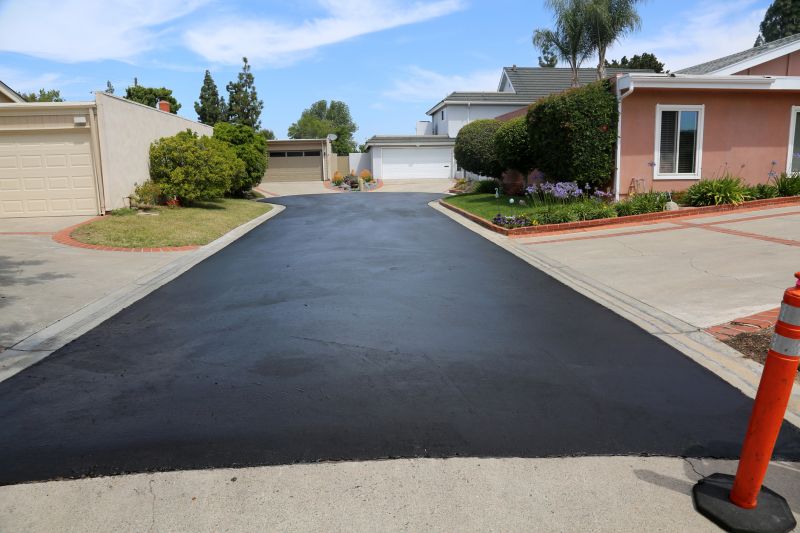
Newly sealed asphalt provides a uniform, protective surface that resists wear and weathering.
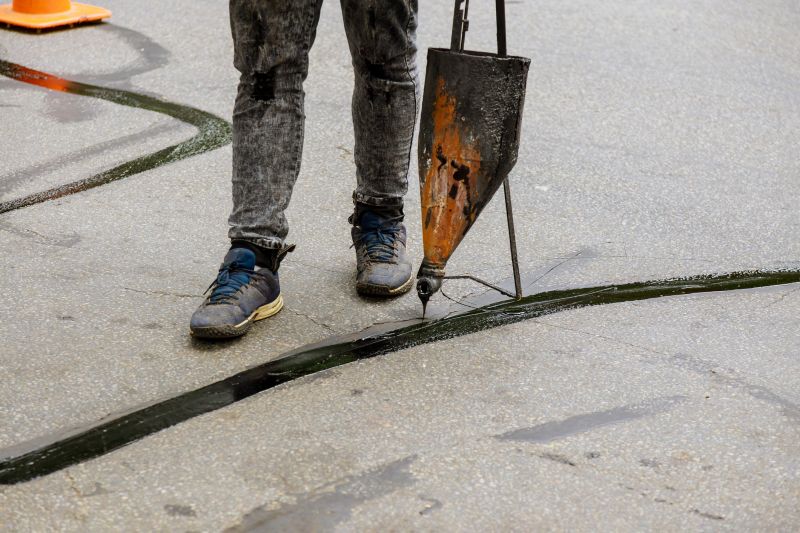
Proper application techniques are essential for maximum coverage and adhesion.
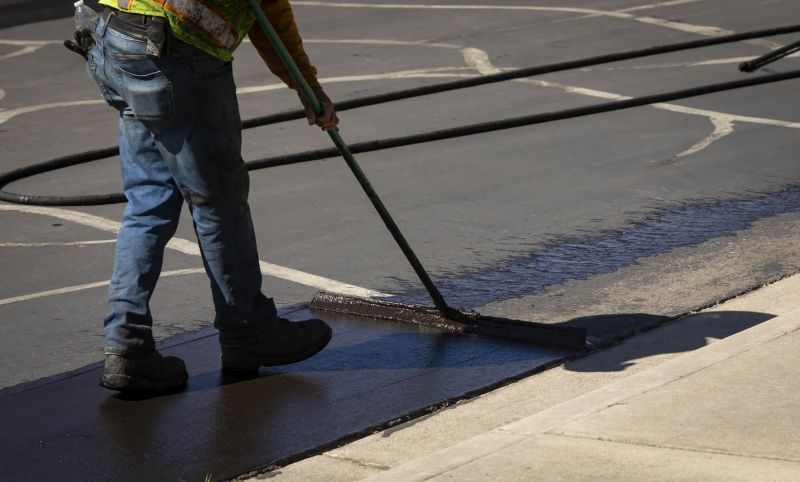
Scheduled resealing preserves pavement quality and appearance over time.
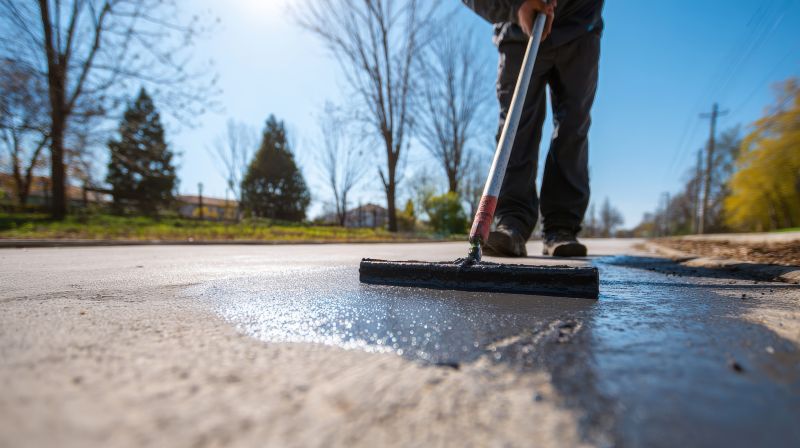
High-end options that actually feel worth it for Asphalt Sealings.
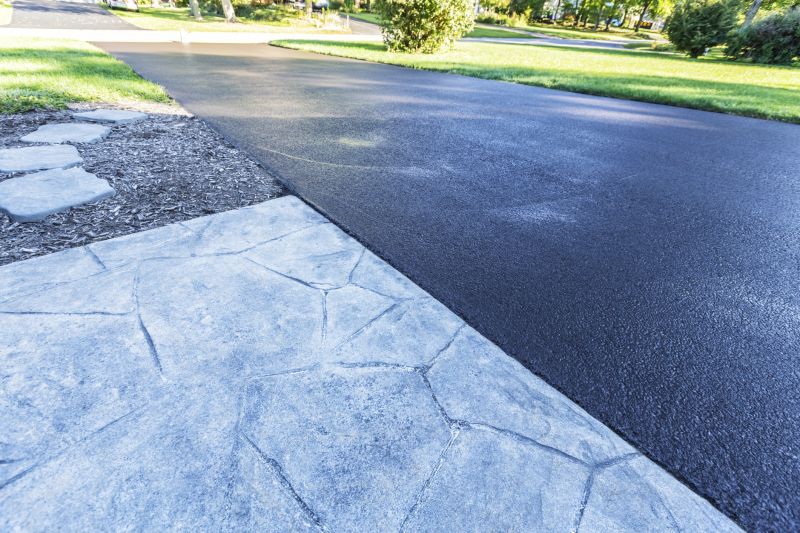
Finishes and colors that play nicely with Asphalt Sealings.
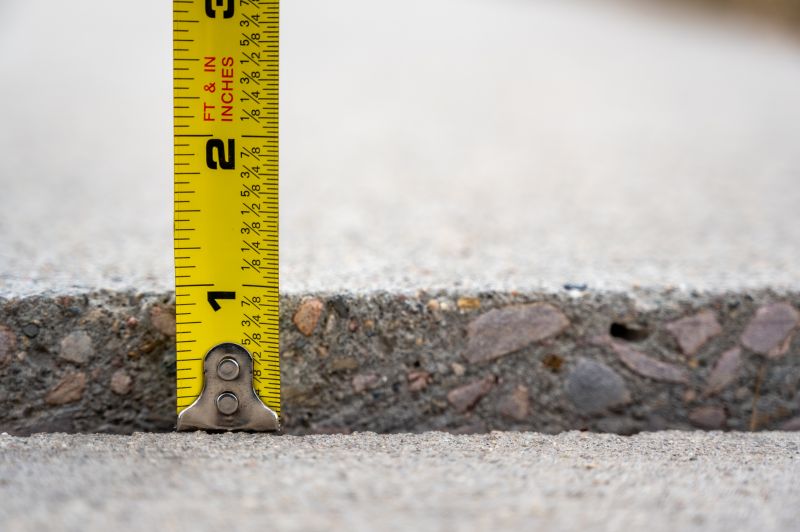
Little measurements that prevent headaches on Asphalt Sealings day.
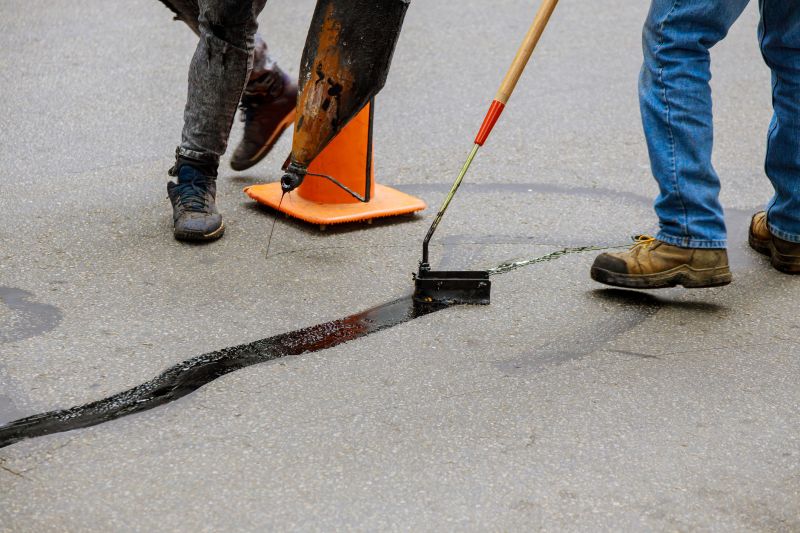
A 60-second routine that keeps Asphalt Sealings looking new.
Interested parties are encouraged to contact for further information on scheduling asphalt sealings. Proper timing can extend pavement life and improve surface performance, making professional consultation valuable for optimal results.